
PEACE CORPS OF NIGERIA AT THE RIO+20 UN EARTH SUMMIT: PIONEERING YOUTH-LED SUSTAINABILITY (2012)
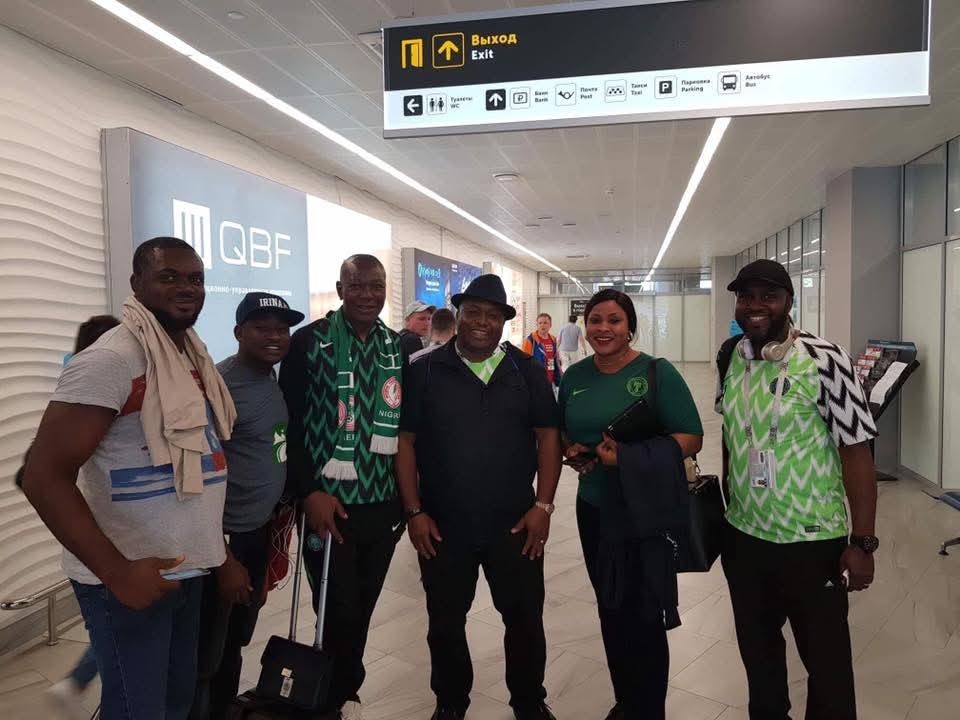
The United Nations Conference on Sustainable Development, popularly known as Rio+20, held in Rio de Janeiro, Brazil, from June 13–22, 2012, represented a historic milestone in the global environmental agenda. Marking twenty years since the landmark 1992 Earth Summit, this high-level assembly convened world leaders, policymakers, and civil society organizations to renew and advance international commitments to sustainable development. The summit served as a critical platform for addressing the evolving challenges of the 21st century, fostering a collective vision for a more equitable and ecologically resilient world.
Rio+20 was anchored by two transformative themes: the promotion of a green economy in the context of poverty eradication and the strengthening of the institutional framework for sustainable development. A defining achievement of the summit was the adoption of the outcome document, “The Future We Want,” a comprehensive roadmap that laid the essential groundwork for the subsequent formulation of the Sustainable Development Goals (SDGs). This document underscored the necessity of integrating economic growth with social inclusion and environmental protection as the triad of modern progress.
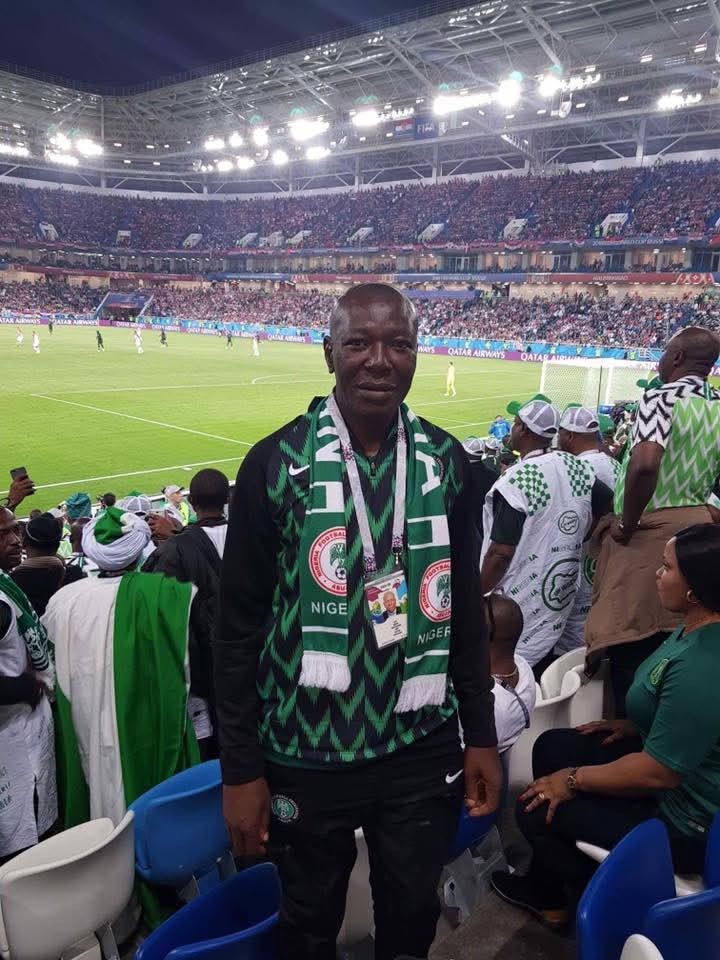
As an integral part of Nigeria’s national delegation, the Peace Corps of Nigeria participated with a strategic seven-member team. The delegation’s contributions focused on the vital intersections of youth participation, national development, and environmental stewardship. The Corps utilized this global stage to emphasize that the energy, creativity, and untapped capacity of young people are not merely assets, but essential requirements for nation-building and long-term socio-economic stability. This advocacy ensured that the voices of Nigerian youth were represented in the global dialogue on sustainable transition.
In a demonstration of proactive leadership prior to the summit, the National Commandant of the Peace Corps of Nigeria, Dr. Dickson Akoh, convened a National Conference on the Green Economy in Abuja. This domestic initiative was instrumental in consolidating diverse perspectives on Nigeria’s sustainability priorities, ensuring that the Corps’ participation in Brazil was grounded in a well-defined national agenda. By mobilizing local stakeholders before engaging on the world stage, the Corps effectively bridged the gap between national grassroots aspirations and international policy frameworks.
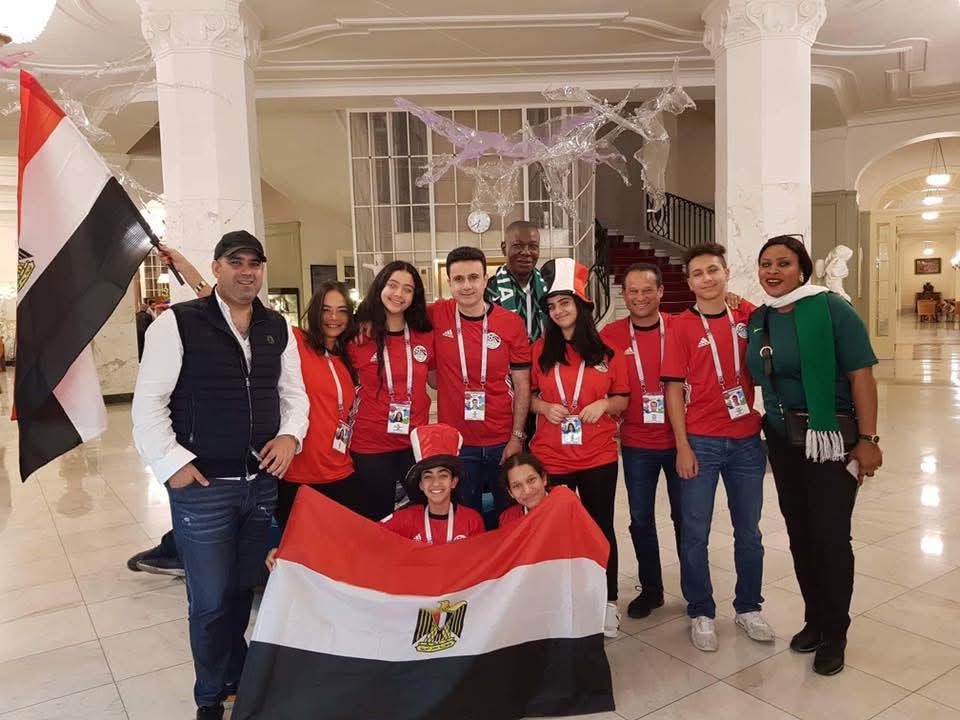
The presence of the Peace Corps of Nigeria at Rio+20 reaffirmed its enduring commitment to aligning youth development with global sustainability efforts. Through this high-level engagement, the Corps successfully promoted the ideals of responsible citizenship and ensured that Nigeria remained at the forefront of international conversations regarding environmental protection and economic resilience. Today, this legacy continues to inform the Corps’ mission, as it remains dedicated to fostering human development and empowering the youth to lead the charge toward a sustainable and prosperous future.
Related Posts
DR. DICKSON AKOH APPOINTED HEAD OF THE AU-ECOSOCC PEACE AND SECURITY CLUSTER
DR. DICKSON AKOH APPOINTED HEAD OF THE AU-ECOSOCC PEACE AND…
NASS Sets To Transmit Nigeria Peace Corps Bill to Presidency for Assent
The National Assembly has kick-started the process of transmitting to the…
Traditional Rulers To Table Peace Corps Bill Assent Before Tinubu
Three prominent traditional rulers on Monday in Abuja hinted that…