
ADVANCING THE GREEN ECONOMY: PEACE CORPS’S STRATEGIC ENGAGEMENT IN KENYA (2012)
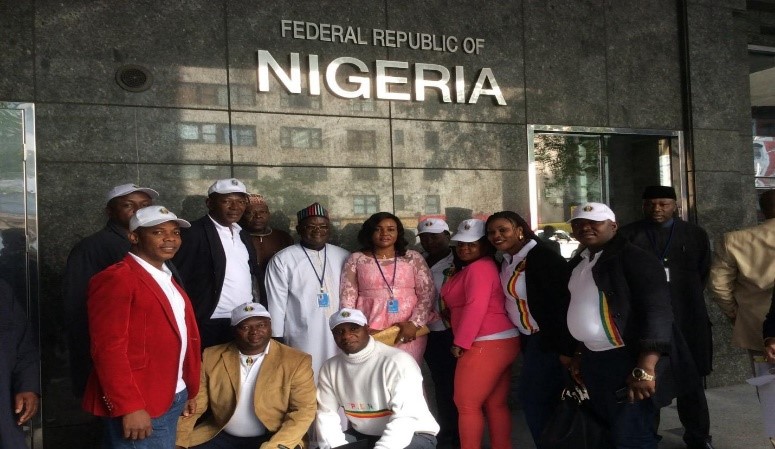
The Green Economy Summit, held in Nairobi, Kenya, from February 20th–22nd, 2012, served as a pivotal three-day forum dedicated to reshaping global economic frameworks. Centered on the pillars of sustainable development, poverty reduction, and low-carbon growth, the summit was significantly bolstered by the landmark outcomes of the United Nations Conference on Sustainable Development (Rio+20). The assembly reinforced an urgent global mandate: for nations and institutions to adopt environmentally responsible policies while simultaneously pursuing inclusive and resilient economic growth.
In alignment with this global shift, the Peace Corps of Nigeria proactively advanced initiatives aimed at supporting sustainability-driven development within the West African sub-region. By advocating for the integration of environmental sustainability into national development planning, the Corps sought to bridge the gap between international policy and local implementation. These efforts included promoting renewable energy adoption and supporting frameworks such as feed-in tariffs, which are essential for incentivizing clean energy transitions and expanding green infrastructure.
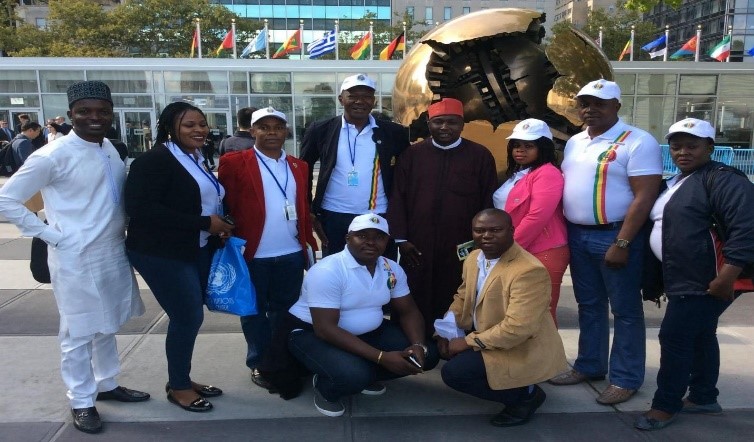
The Peace Corps of Nigeria was prominently represented at the summit by the National Commandant, Dr. Dickson Akoh, and the Assistant National Commandant (Finance and Accounts), Dr. Omolola Amao. Their participation focused on high-level policy engagement, strategic consultations, and robust advocacy for green job investments. A core objective of the delegation was to ensure that youth development and employment opportunities remained central to Nigeria’s transition toward a sustainable economy, recognizing that the youth are the primary drivers of future innovation.
The “Green Economy” approach championed during the summit is driven by coordinated policy reforms, strategic public-private sector investments, and fiscal instruments designed to mitigate the effects of climate change. For the Peace Corps, this engagement underscored the importance of strengthening climate-responsive economic policies and expanding renewable infrastructure, including large-scale wind energy projects. By participating in these global dialogues, the Corps continues to influence how environmental stewardship can be harmonized with national economic priorities.
Through these sustained international engagements, the Peace Corps of Nigeria reaffirms its commitment to fostering a generation of environmentally conscious and socially responsible citizens. By aligning its core mandates with global sustainability efforts, the Corps ensures that Nigeria remains an active participant in the international movement toward a greener, more equitable future. This legacy of engagement continues to inform the Corps’ ongoing projects in youth empowerment, conflict prevention, and national development.
Related Posts

Peace Corps Pays Congratulatory Visit To Vice President Elect
The Vice President-Elect, His Excellency, Kashim Shettima on Saturday, 27…

Peace Corps of Nigeria Meets SGF, Pledges total support to President Tinubu
The Peace Corps of Nigeria (PCN) has reaffirmed its unwavering…
Traditional Rulers To Table Peace Corps Bill Assent Before Tinubu
Three prominent traditional rulers on Monday in Abuja hinted that…